
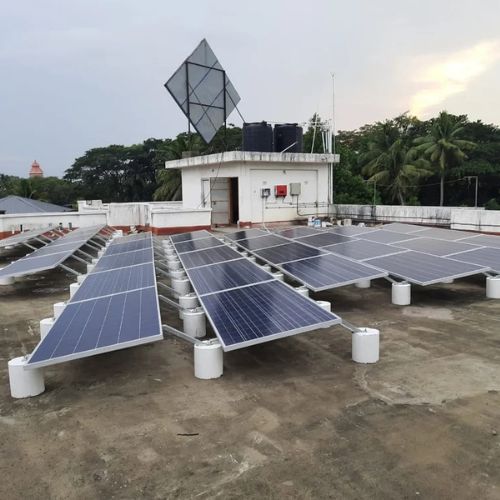
 RCC ROOF
RCC Ballast / Anchor
Optimized tilt, weight distribution, and walkways for easy O&M on flat RCC roofs.

Drive down energy costs, lock predictable long-term tariffs, and meet ESG commitments with bankable rooftop and open-access solar. Choose CAPEX or OPEX/RESCO, optimize TOD peaks, and gain reliable yields through CEIG/CEA-compliant engineering, performance monitoring, and streamlined statutory approvals.
Engineered for large spans, wind loads and minimal roof penetration.
RCC ROOFOptimized tilt, weight distribution, and walkways for easy O&M on flat RCC roofs.
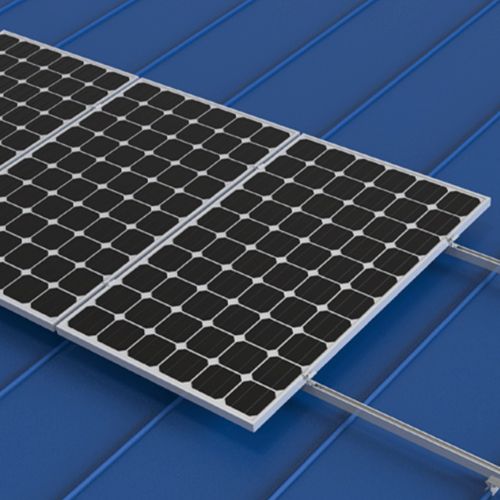 SHEET ROOF
Non-penetrating clamps or weather-sealed fasteners with load checks for PEBs.
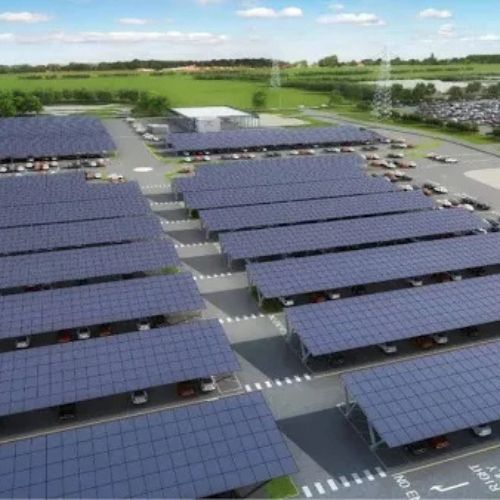 CARPORT
Utilize parking areas for generation with integrated drainage and EV-ready cabling.
Select an approach that fits your balance sheet and risk appetite.

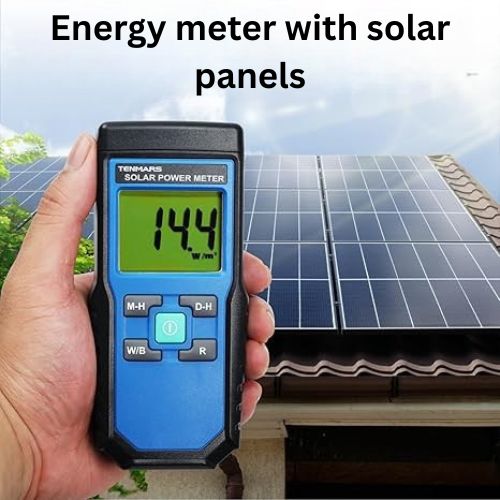

Bankable designs, predictable yields, and end-to-end execution—from due-diligence to CEIG and synchronization.
Cut landed cost of electricity versus grid tariffs with rooftop or open-access solar.
Own the plant (CAPEX) or pay per kWh (OPEX/RESCO) with zero upfront.
Design for day-time peaks, reduce TOD surcharges and demand charges.
CEIG/CEA compliant design, protection study, and statutory documentation.
Meet RE100/ESG goals and reduce Scope-2 emissions with auditable data.
Accelerated Depreciation and GST input credit where applicable.
We analyze your energy profile, TOD slabs, and contract demand, then survey roof strength, waterproofing, and shading. The outcome is a practical layout and capacity that fits operations, safety, and maintenance access requirements.
You receive generation simulations with PR assumptions, side-by-side CAPEX and OPEX cash flows, tariff comparisons, IRR, and payback. We also outline interconnection options and risks, so stakeholders decide confidently with transparent numbers.
Our team manages utility feasibility, net or gross metering applications, and CEIG/CEA safety submissions. Where needed, we coordinate fire-safety norms, earthing tests, and documentation to ensure statutory compliance without internal effort.
We finalize structural design, select Tier-1 PV modules, inverters, protection schemes, cables, earthing, and lightning arrestors. Procurement follows approved makes, ensuring availability, warranties, and project timelines remain predictable for execution.
Experienced crews install structures and electrical systems with QA/QC checkpoints. Pre-commissioning includes insulation checks, relay settings, and synchronization tests, ensuring safe operation and reliable performance under expected grid conditions.
We commission SCADA/RMS for live monitoring, hand over documentation and training, and set SLAs for uptime. Preventive maintenance schedules and performance dashboards keep yields consistent and deviations quickly addressed throughout lifecycle.
Explore the potential of solar energy and start saving from Day One!
CAPEX: you invest and own the system; highest IRR and full control. OPEX/RESCO: developer invests and sells energy at a tariff via PPA; zero upfront but lower long-term savings vs CAPEX.
Typical rooftop saves 20–50% against grid tariffs depending on your slab, TOD, sanctioned load and rooftop potential. Open-access offsite can save more for large consumers.
Yes. C&I often require CEIG/CEA safety compliance, internal electrical inspection, earthing tests, fire NOC in some states, and utility approvals for synchronization/net-metering or gross-metering.
Under income-tax provisions (as per prevailing rules), eligible entities can claim accelerated depreciation on solar assets to improve post-tax IRR. Consult your tax advisor for current rate applicability.
Most states allow C&I net or gross metering with kW caps and conditions (transformer capacity %, contract demand limits). Policies vary—final design follows your state’s regulation.
For critical loads, hybrid (solar + battery + grid/DG) ensures backup and peak-saving. Batteries don’t usually qualify under rooftop subsidy; deployed on case-to-case business ROI.
Premium panels, expert installation, zero hassle.